
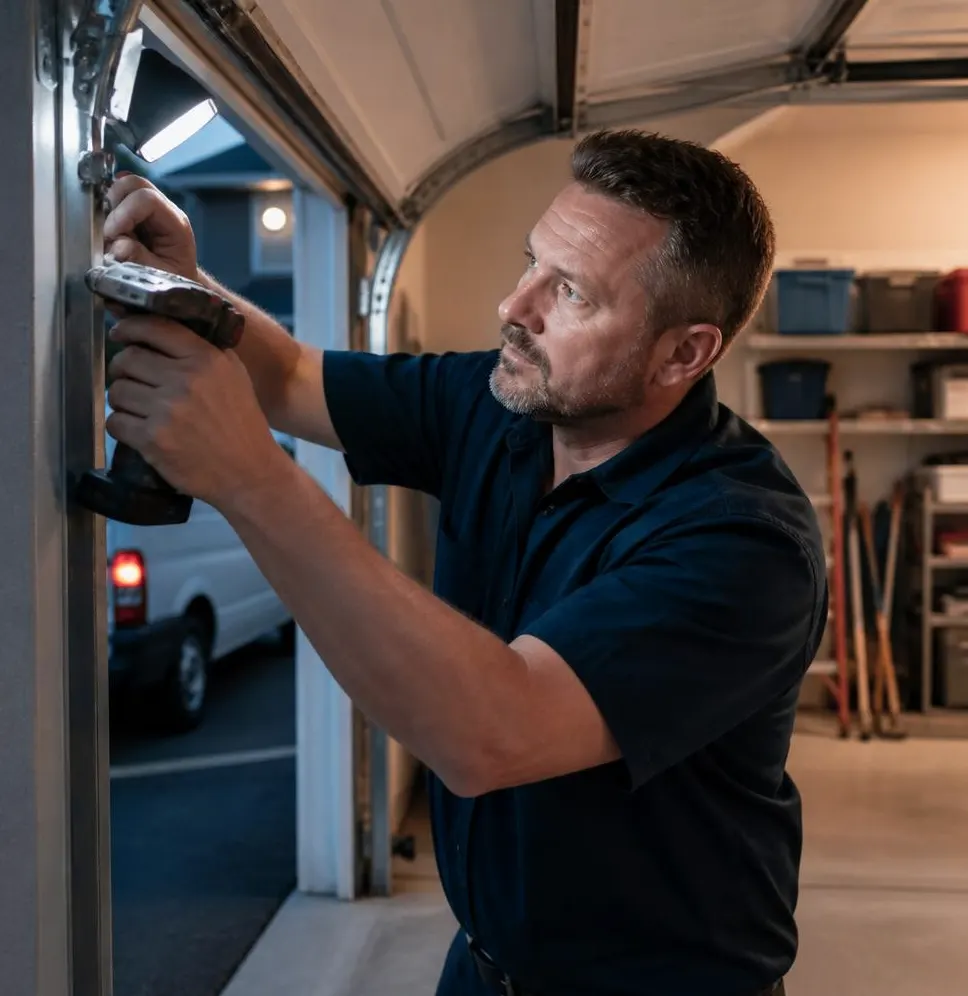
The Mistake: Assuming a Florida Garage Door Doesn't Need Winter Prep
The most common mistake is doing nothing at all. It's an easy trap to fall into, because 'winterizing' sounds like something people in Ohio worry about, not something anyone in Fort White needs to think about. No snow, no ice on the tracks, no frozen opener—so why bother?
Here's why that's tempting but wrong: the real risk isn't freezing weather. It's the transition. Your garage door just spent months absorbing heat, humidity, and the occasional hurricane-season storm. As the air finally cools and dries out heading into winter, all that hidden stress starts to show up—often on the first genuinely cold morning, which is exactly when you don't want a spring to let go or a panel to jam.
What Actually Changes for Your Garage Door in Winter Here
Fort White winters are mild, but they're not nothing. Cool, dry mornings followed by warmer afternoons put real stress on a door that spent the summer swelling in humidity and baking in the heat.
- Metal contracts slightly in cooler temperatures. A spring or cable that was already fatigued from months of heat and humidity can finally fail once the first cold front rolls through.
- Wood and wood-composite panels shrink as humidity drops. After a summer of swelling, that shrinkage can open up small gaps around seals and trim that weren't there in August.
- Lubricant gets gummy. Months of humid air mixed with dust and pollen can leave hinges and rollers coated in grime that turns stiff once temperatures dip, leading to that grinding or squealing sound on opening.
- Storm damage you tolerated all season becomes more obvious. Small dents, cracked weatherstripping, or loosened wind-load bracing from hurricane season are easier to spot—and more likely to cause problems—once the door is working through daily temperature swings.
A Walkthrough Checklist Before the Next Cold Front
Set aside twenty minutes with a flashlight and work through these before the weather turns:
- Inspect panels and trim. Look for dents, cracked seals, or water staining left over from storm season. These weak points get worse, not better, with more temperature swings.
- Check all hardware for rust. Hinges, roller brackets, and track bolts are where humidity does its damage first. Light surface rust can often be cleaned and lubricated; flaking or pitted rust means the part should be replaced.
- Test the door's balance. Disconnect the opener, lift the door about halfway by hand, and let go. It should stay in place. If it drifts up or drops down, the springs are no longer balanced correctly—a sign they're wearing out.
- Listen for grinding or popping. Either sound usually points to spring fatigue, which tends to fail without much warning once cooler weather sets in.
- Lubricate rollers, hinges, and springs. Use a garage-door-specific lubricant rather than an all-purpose spray, which can attract dust and gum up over time.
- Check weatherstripping and the bottom seal. As panels shrink slightly in the drier air, gaps can appear that let in cool drafts, pests, and the occasional afternoon downpour runoff.
- Confirm wind-load hardware is still secure. After a full hurricane season, bracing and reinforced track connections should be checked to make sure nothing worked loose.
Don't Overlook the Opener
Shorter days mean your garage door is opening and closing in the dark more often. Test the opener's light, make sure the photo-eye safety sensors are aligned and clean, and confirm the auto-reverse safety feature still works by placing a block in the door's path and testing it closes properly. If your area lost power during storm season, this is also a good time to make sure any battery backup is still holding a charge.
When to Call Fort White Garage Door Service
If your balance test fails, you hear grinding from the springs, or the door feels noticeably harder to lift than it did over the summer, that's a job for a professional—our Garage Door Spring Repair service handles exactly this kind of fatigue before it turns into a full spring failure, which can happen without warning. If your door is just generally due for a check after a long, humid season—rusted hardware, a sagging panel, worn rollers—our Garage Door Tune-Up & Maintenance service covers the full walkthrough above with the right tools and parts on hand.
We serve homeowners and businesses throughout Fort White, Lake City, High Springs, Alachua, Branford, Live Oak, Wellborn, and Newberry. If your garage door has been through a rough hurricane season and you want it checked before the first real cold snap, give Fort White Garage Door Service a call—we'll get it sorted before winter makes the decision for you.